
Published by Agrodrag — India’s Trusted Agri Machinery Marketplace
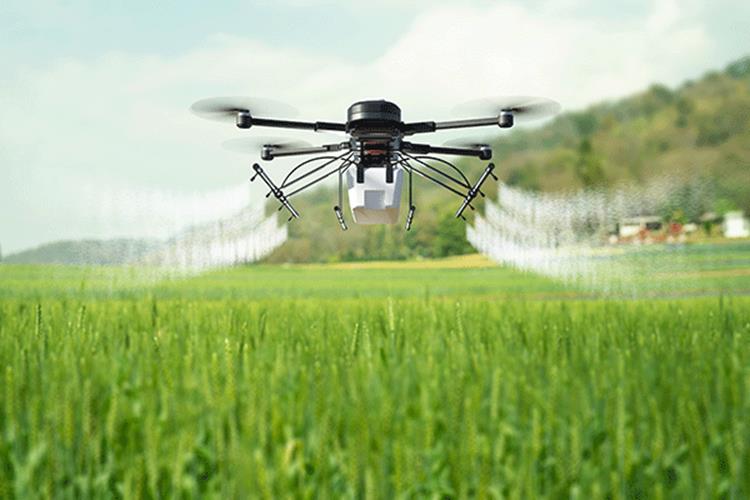
Drones are no longer just a novelty; they are essential tools revolutionizing modern farming. By equipping farmers with precise, real-time information, this technology is boosting efficiency, reducing costs, and promoting environmental sustainability. This article explores the significant role of drones in modern agriculture — from monitoring crops and analyzing soil to managing livestock with remarkable accuracy.
A New Perspective: How Drones Are Changing Farming
Agricultural drones are small, remote-controlled aircraft fitted with high-resolution cameras, GPS, and sensors like multispectral and thermal imagers. They collect data that would be impossible to gather from the ground, allowing a shift from reactive to proactive farm management. Farmers can identify problems early, target interventions, and optimize resources — leading to higher efficiency, reduced costs, and a smaller environmental footprint.
Increased Efficiency and Productivity
Manual field scouting is time-consuming and often incomplete. Drones can survey hundreds of acres in minutes, providing an instant overview of crop health and field conditions. Early detection of nutrient deficiencies or pest infestations enables quick action and better yields.
Cost Savings Across Operations
The precision offered by drones translates directly into major cost savings. By pinpointing where pests or nutrient issues exist, farmers can apply chemicals only where needed — a process known as precision spraying. The benefits include:
- Reduced input costs: less fertilizer, pesticide, and water use.
- Lower labor expenses: drones automate what once required manual effort.
- Decreased fuel consumption: fewer machinery passes lower energy costs.
Promoting Environmental Sustainability
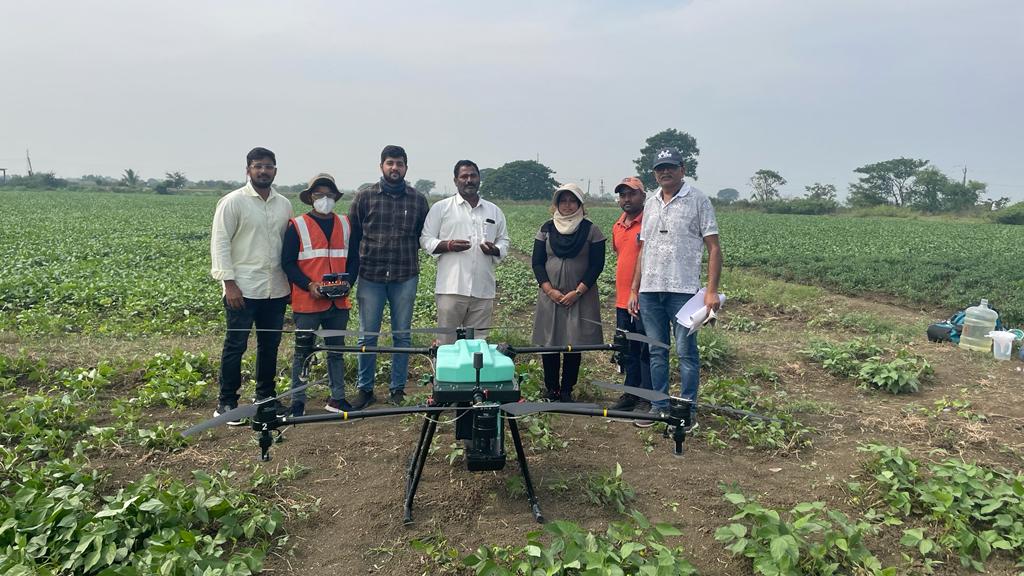
Drone-powered precision agriculture supports sustainability. Targeted chemical use prevents runoff into waterways and minimizes environmental damage. Optimized machinery use reduces fuel consumption and greenhouse gas emissions. By helping farmers work smarter, drones promote a sustainable, eco-friendly food system.
Key Applications of Drones in Agriculture
Crop Monitoring and Health Assessment
Equipped with multispectral sensors, drones capture data across the light spectrum, including near-infrared (NIR). Healthy crops reflect NIR light differently than stressed plants. This data creates NDVI maps (Normalized Difference Vegetation Index), which show:
- Bright Green: Healthy, vigorous vegetation.
- Yellow/Orange: Moderate plant stress.
- Red: Unhealthy plants or bare soil.
These insights help farmers address issues such as nutrient deficiencies, water stress, or pest infestations long before they’re visible to the naked eye.

Precision Spraying and Seeding
Drone sprayers apply fertilizers, pesticides, or seeds precisely where needed, minimizing waste and preventing crop damage. In rugged terrains where tractors can’t reach, drones offer unmatched flexibility and accuracy. Advanced models even enable automated seeding using seed pods — an innovation gaining ground in reforestation and crop planting.
Soil and Field Analysis
Before planting, drones create 3D terrain maps for better irrigation and soil management. After planting, they analyze soil moisture, texture, and nutrient content to optimize irrigation and fertilizer schedules. This precision ensures crops thrive under ideal conditions from day one.
Livestock Management
Drones are equally valuable for livestock monitoring:
- Counting and locating: Quickly locate and count livestock across large areas.
- Health monitoring: Thermal imaging identifies heat variations indicating illness or injury.
- Pasture management: Assess forage availability and plan rotational grazing efficiently.
Getting Started with Agricultural Drones
Define your goals: Identify your main objectives — crop health, cost savings, or irrigation management. Choose the right equipment: Select drones with the right sensors — from simple cameras to multispectral and spraying drones. Understand regulations: Ensure compliance with local drone operation laws and certifications. Process and analyze data: Use software to turn drone data into actionable insights and visual maps. Start small, then scale: Begin with a pilot project before expanding across your entire farm.
The Future of Farming is in the Sky
Drones are reshaping the agricultural landscape, giving farmers powerful data to grow more with less. As technology advances and costs drop, drone adoption will continue to rise. Embracing drones today means investing in a smarter, more efficient, and sustainable tomorrow for Indian agriculture.
Agrodrag believes in empowering farmers with innovation. Explore the future of smart farming and discover how drone technology can take your agri business to the next level.