
How Farmers Can Benefit from Carbon Credits and Sustainable Practices
By Agrodrag (Fateh Globalink) • Agriculture Industry Insights • 2025
🌱 Introduction: Why Carbon Farming Is the Future of Agriculture
Agriculture is entering a new era — one where farmers can grow crops and earn additional income from the air. Carbon credits are becoming one of the most powerful opportunities for farmers to participate in climate solutions while boosting their profits.
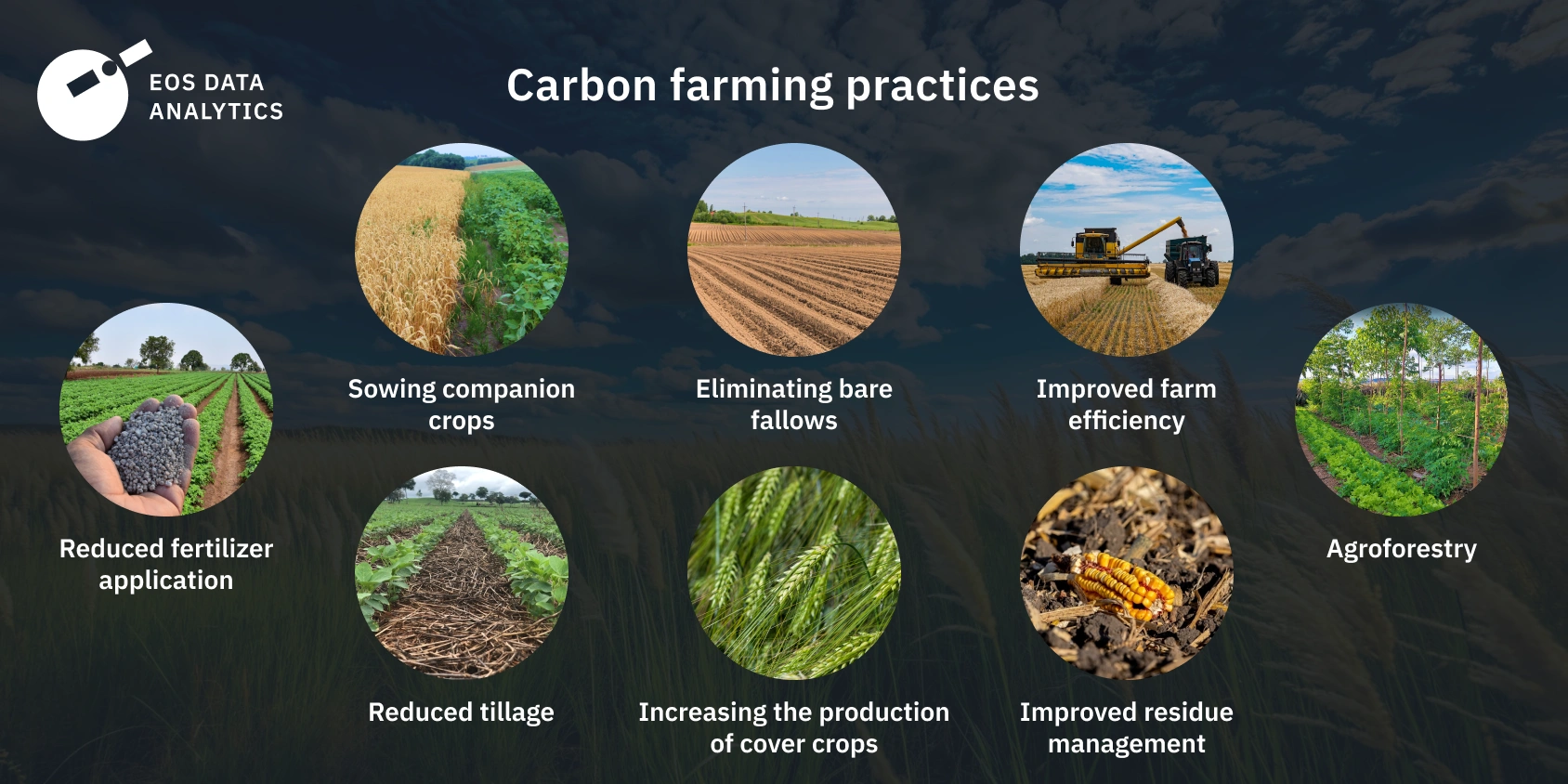
By adopting sustainable practices such as regenerative agriculture, no-till farming, and smart technologies, farmers can:
- Improve soil fertility
- Increase water retention
- Reduce fertilizer expenses
- Build resilience against climate change
- And earn carbon credit income every year
This article breaks down everything you need to know about carbon credits, why they matter, and how YOU can start earning from them today.
🌍 What Are Carbon Credits?
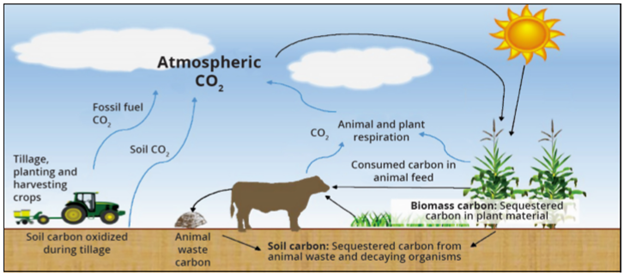
A carbon credit represents 1 metric ton of carbon dioxide (CO₂) removed from the atmosphere or prevented from being emitted.
When farmers implement practices that capture carbon and store it in the soil, vegetation, or biomass, they generate measurable environmental benefits. These benefits can be sold as carbon credits to companies looking to offset emissions.
Think of it as a new cash crop — carbon.
✔ How It Works:
- Sustainable practices = more carbon stored in soil
- Soil carbon is measured and verified
- Credits are issued based on the amount stored
- Companies buy these credits
- Farmers get paid annually
Carbon credits reward farmers for protecting the environment while improving their land.
💰 The Financial Benefits of Carbon Farming
Carbon farming is more than sustainability — it’s a new revenue stream.
🔹 1. Earn Annual Carbon Credit Payments
Farmers can earn income based on:
- Total carbon sequestered
- Verified sustainable practices
- Market rate (₹900–₹2,500 per credit depending on program)
This creates predictable yearly income.
🔹 2. Reduced Input Costs
Sustainable practices improve soil health, reducing:
- Fertilizer use
- Pesticide dependency
- Fuel consumption
Better soil structure = fewer expenses.
🔹 3. Higher Yields and Better Crop Quality
Healthy soils rich in organic carbon:
- Retain water longer
- Support stronger root growth
- Improve nutrient availability
Leading to more stable and resilient yields, even in extreme weather.
🔹 4. Increased Land Value
Soils with higher organic carbon:
- Are healthier
- More productive
- More attractive to buyers and lease programs
Carbon farming improves the long-term value of farmland.
🌿 Environmental Benefits of Sustainable Agriculture

Sustainable practices transform agricultural landscapes.
✔ Enhanced Biodiversity
Healthy soils support beneficial microbes, insects, and wildlife.
✔ Cleaner Waterways
Reduced chemical use = less runoff into rivers and ponds.
✔ Greater Climate Resilience
Soils rich in carbon:
- Hold more water
- Reduce erosion
- Help farms survive drought and heavy rainfall
Farmers who adopt sustainable practices become climate heroes.
🌾 Key Sustainable Practices That Generate Carbon Credits
1️⃣ Regenerative Agriculture

A holistic system focused on restoring soil health.
🌱 Practices Include:
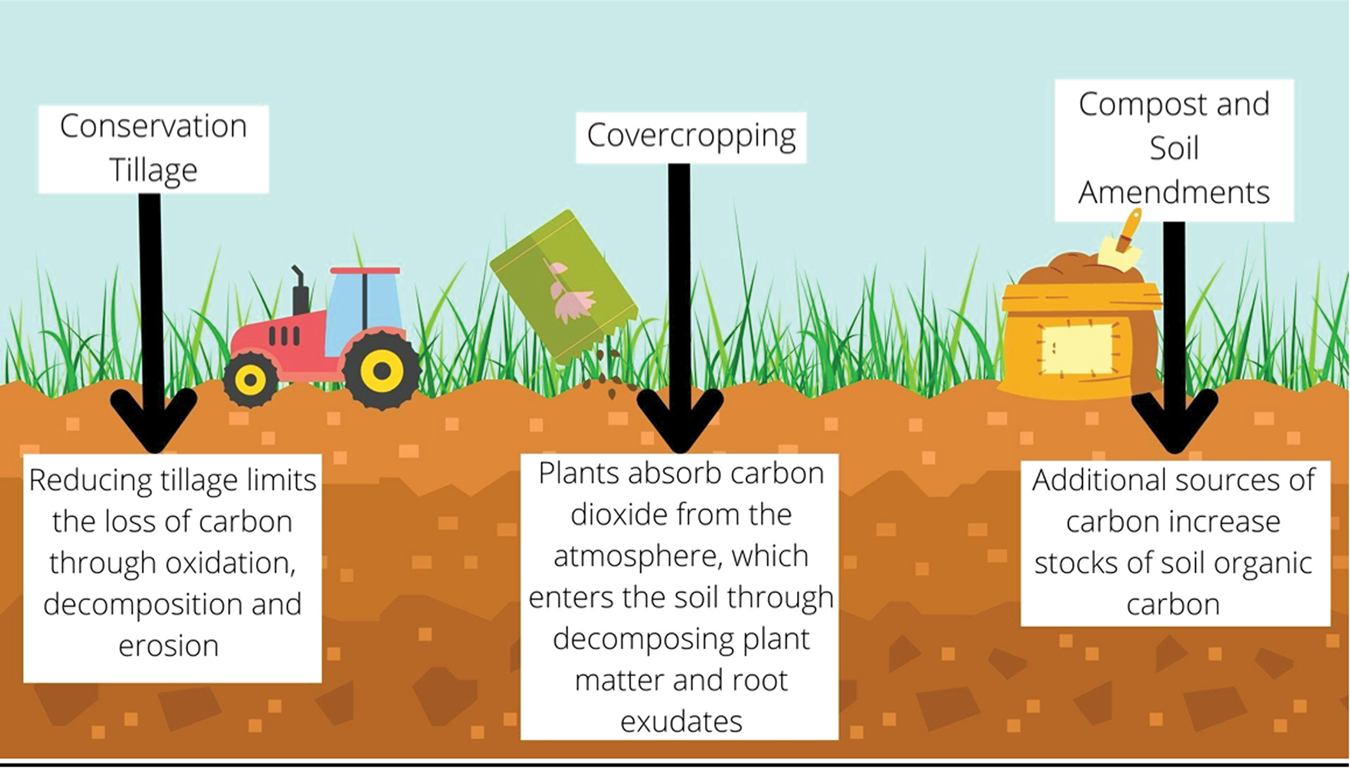
No-Till or Reduced Till Farming
Prevents carbon release, reduces erosion, and saves fuel.Cover Cropping
Improves soil structure, boosts organic matter, and prevents nutrient loss.Crop Rotation
Enhances biodiversity, breaks pest cycles, and increases soil fertility.
Regenerative farming is the fastest path to generating high-value carbon credits.
2️⃣ Precision Farming & Smart Technologies

Technology helps farmers reduce waste and emissions.
🔧 Key Tools:
Variable Rate Technology (VRT)
Applies fertilizers exactly where needed — reducing emissions.Drones & Satellite Monitoring
Detect crop stress early, improving resource efficiency.Smart Irrigation Systems
Reduce water usage and electricity consumption.
These systems reduce carbon footprint and increase productivity.
3️⃣ Carbon Utilization & Livestock Management
Livestock and waste can also help generate carbon credits.
✔ Rotational Grazing
Promotes pasture recovery and increases carbon sequestration in grasses.
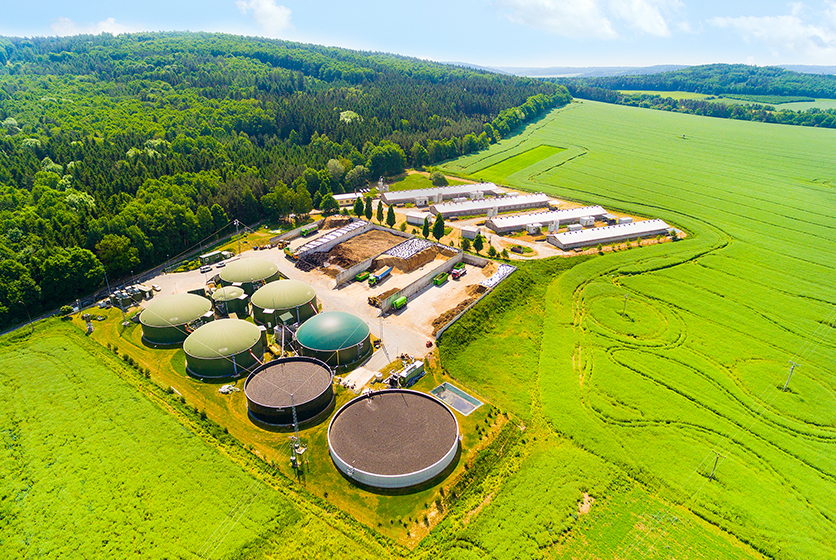
✔ Anaerobic Digesters
Convert methane from manure into biogas, reducing emissions and generating clean energy.
These practices make livestock farming cleaner and more profitable.
🧭 How to Get Started with Carbon Credits
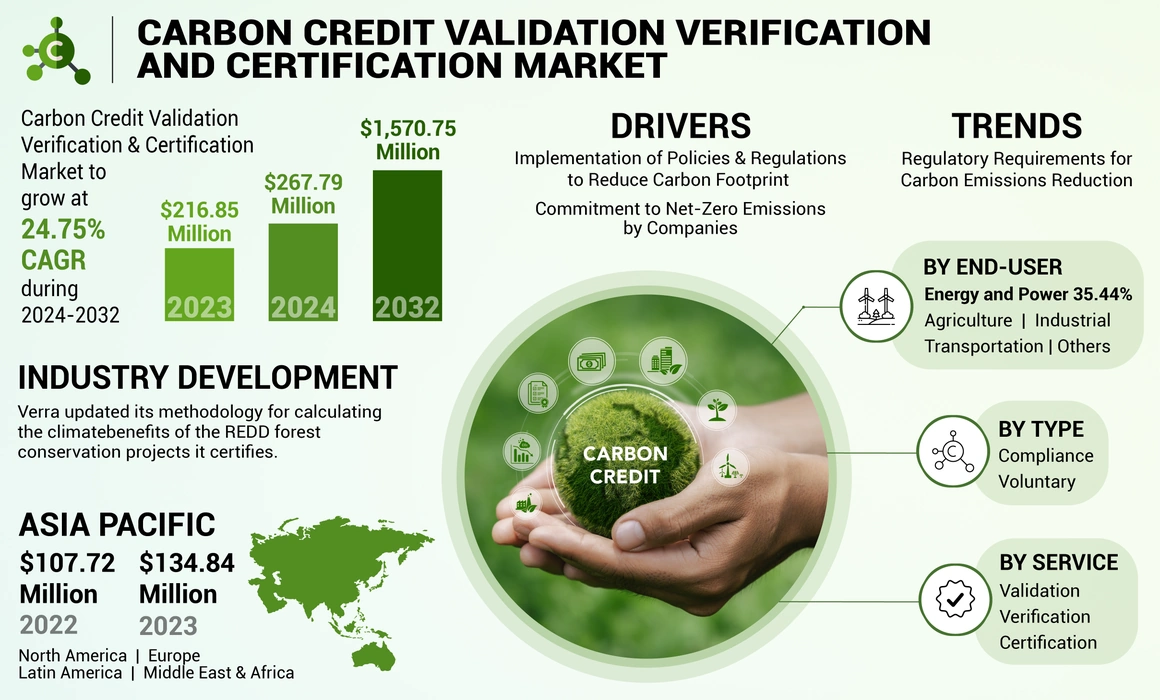
⭐ Step 1: Choose a Carbon Program
Work with verified carbon developers such as:
- Indigo Ag
- Nori
- SUM IT
- E_source
- Various Indian carbon registries
⭐ Step 2: Enroll & Establish a Baseline
Soil sampling determines current carbon levels.
⭐ Step 3: Implement Sustainable Practices
Start with:
No-till farming
Cover cropping
VRT
Drone monitoring
⭐ Step 4: Verification
Independent auditors measure carbon gains.
⭐ Step 5: Receive Carbon Credits
Credits are issued based on verified data.
⭐ Step 6: Get Paid
Farmers earn yearly income from credit sales.
Carbon farming is a long-term investment — with decades of payouts.
🌳 The Future Is Sustainable

Farmers are the backbone of India — and now, they are becoming the backbone of climate action too.
By adopting regenerative and carbon-friendly practices, farmers can:
- Improve soil health
- Reduce environmental impact
- Boost revenue
- Secure long-term productivity
Carbon farming is not a trend —
It is the next revolution in agriculture.
Farmers who act early will lead India’s transition into a profitable, climate-smart future.