
10 Game-Changing Innovations in Agricultural Machinery for 2025 – Agrodrag
The world of agriculture is undergoing a quiet revolution. Gone are the days when farming was solely about manual labor and intuition. Today, technology is at the heart of every successful harvest, bringing with it unprecedented levels of efficiency, sustainability, and productivity. As we look toward 2025, a wave of game-changing innovations is set to redefine what’s possible on the farm.
These advancements are more than futuristic concepts; they’re practical solutions to some of farming’s biggest challenges, like labor shortages, rising costs, resource management, climate change, and traceability. From tractors that drive themselves to drones scouting fields from above and blockchain tracking produce to the market, these tools are making farming smarter, more prepared, and more profitable. Here are 10 of the most exciting innovations in agricultural machinery for 2025—with real-world examples and visuals to inspire your next investment.
1. Autonomous Tractors
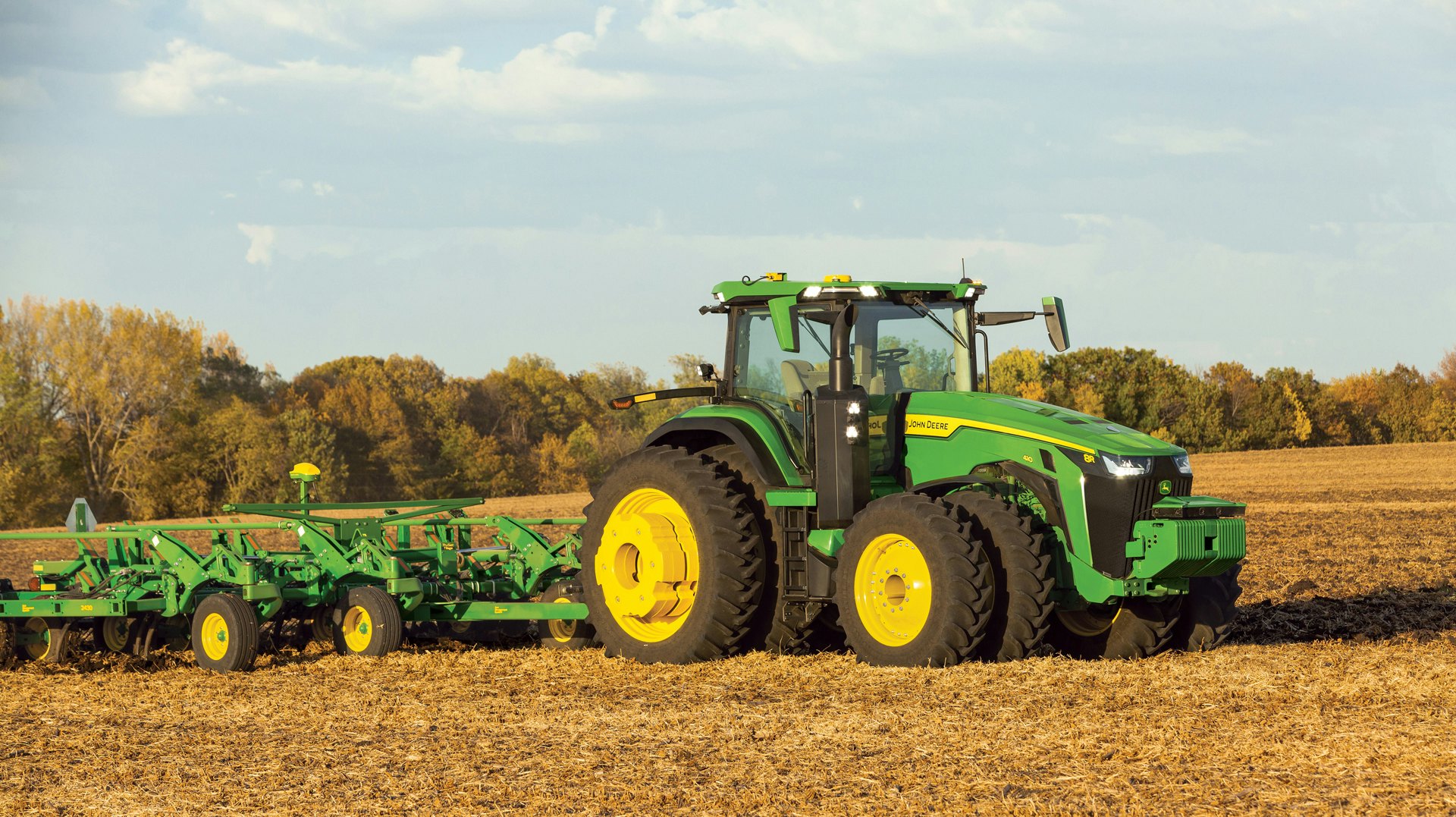
Self-driving tractors are revolutionizing large-scale agriculture. Using GPS, LiDAR, RADAR, and AI, they navigate fields, plant seeds, and till soil with pinpoint accuracy—without a human driver. The John Deere 8R Autonomous Tractor is already being used on farms in the USA, operating 24/7 and managed remotely from a smartphone. With automation, farmers save labor costs, avoid errors, and optimize fuel use. In India, Mahindra is piloting autonomous tractors that complete plowing with next to no human oversight, perfect for regions facing rural labor shortages.
Case Study:
A wheat farm in Illinois reported 30% higher efficiency after deploying an autonomous tractor for both tilling and planting, citing less overlap and optimized input use.
2. Drones for Crop Monitoring

Unmanned aerial vehicles (UAVs) have become the farmer’s eyes in the sky. Drones equipped with multispectral and thermal cameras scan vast fields within minutes, capturing rich data on crop health, water stress, pest infestations, and fertilizer needs. For example, DJI’s Agras series drones are widely used in Asia for mapping and precision spraying. Indian startup Fasal helped a grape grower in Maharashtra identify and treat a downy mildew outbreak early, saving the harvest.
Real Example:
In Spain’s La Mancha region, wine producers use drones for weekly vineyard surveys. The resulting maps help optimize irrigation and pinpoint areas that require organic treatments, boosting grape quality and sustainability.
3. Electric and Hybrid Machinery
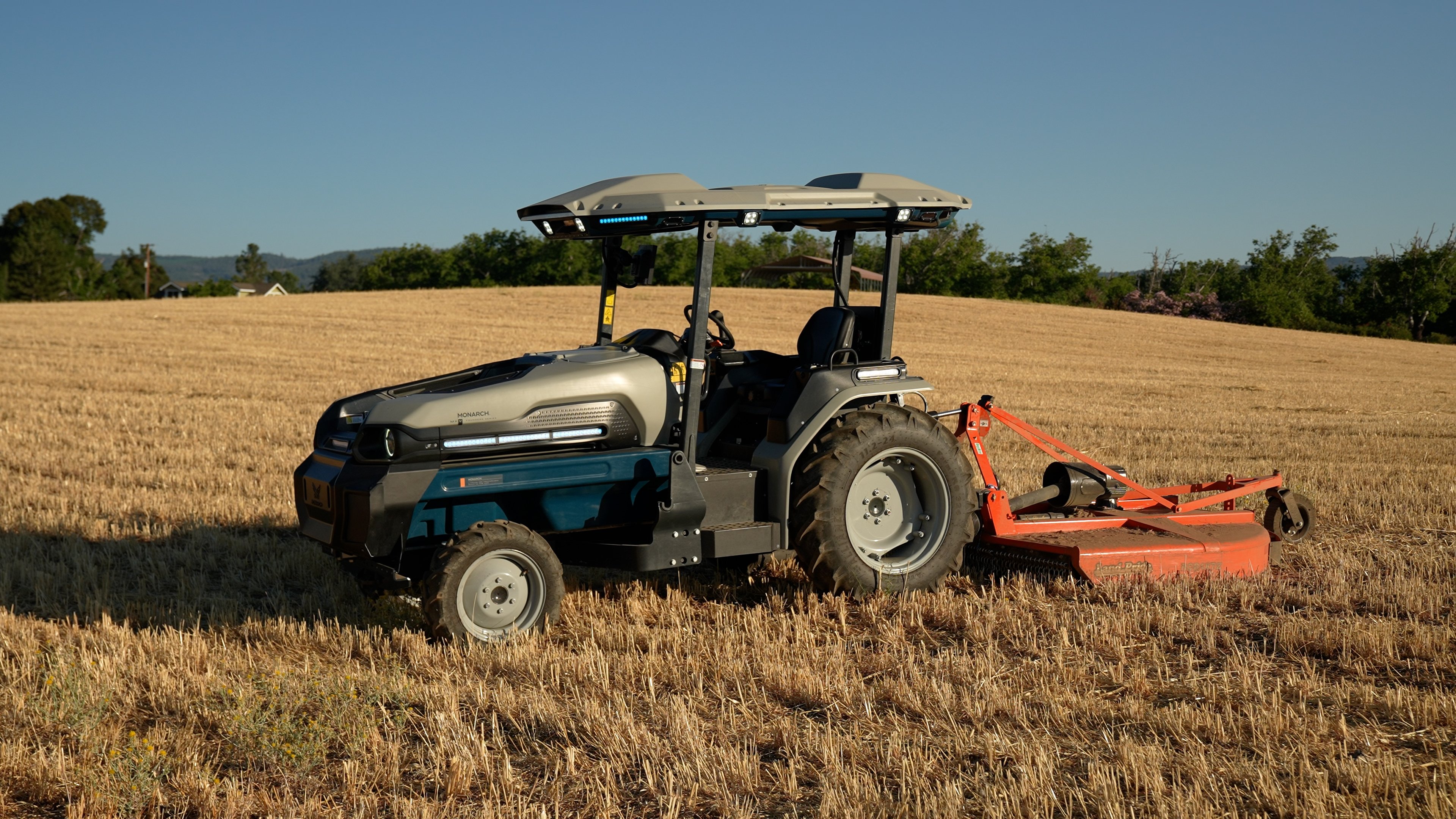
The push for sustainability is making its way to the farm. Electric and hybrid tractors, loaders, and utility vehicles are now a reality—producing zero or very low emissions, reducing noise, and lowering maintenance costs. The Monarch Electric Tractor, built in California, runs for 10+ hours on a single charge and offers advanced driver-assist tech. John Deere’s SESAM tractor brings fully electric power to larger fields in France and Germany. Hybrid models combine traditional engines with electric power—like Kubota’s Smart Tractor, which can switch between diesel and electric for different tasks.
Impact:
A family vineyard in Australia cut fuel costs by 40% after electrifying its equipment, while also winning grants for lowering carbon emissions.
4. AI-Powered Farm Management Software
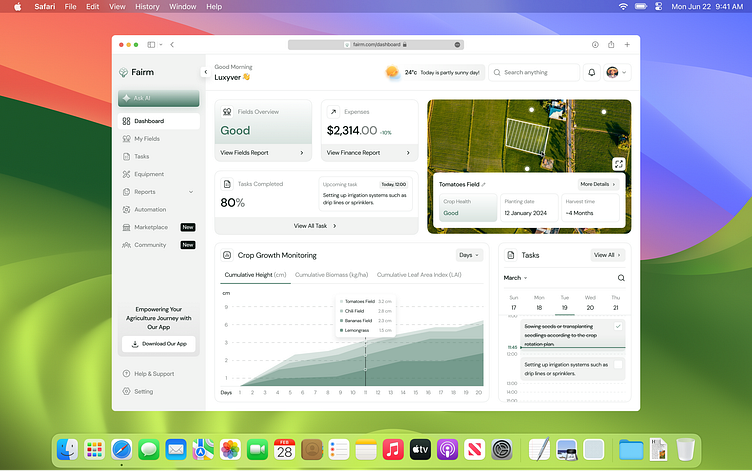
AI-driven software platforms, such as CropIn, Granular, and FarmLogs, integrate data from sensors, weather stations, drones, and satellites to provide powerful, real-time analytics. These platforms offer forecasts on crop yield, disease risk, optimal planting/harvest windows, and precise task management. By analyzing both historical and live data, AI transforms even small family farms into data-driven enterprises.
Case in Point:
A rice farm in Andhra Pradesh, India, increased its per-acre yield by 15% within one season by adopting AI-driven recommendations on fertilizer application times.
5. Robotic Harvesters
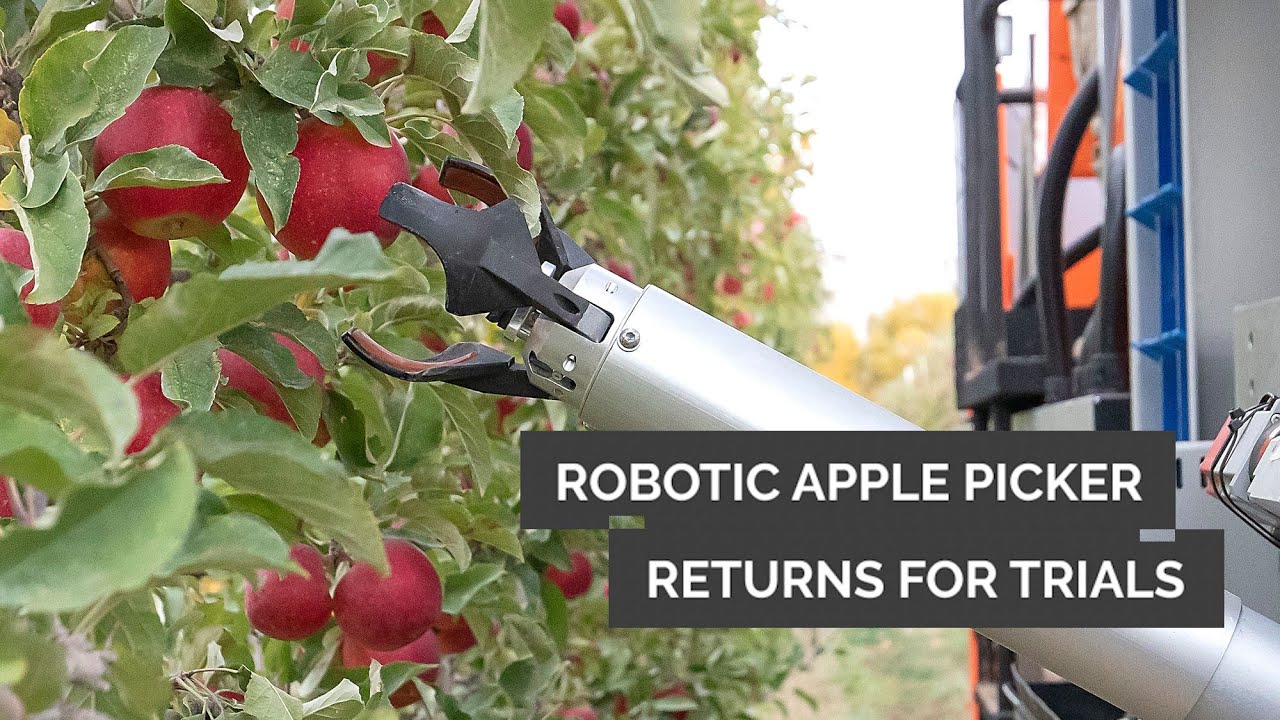
Pickers are in short supply—especially for fruits and vegetables requiring gentle handling—so robotic harvesters step in. FFRobotics and Octinion have created robots capable of picking strawberries, tomatoes, and apples with advanced vision and soft-touch grippers. Soft Robotics’ machines have already replaced seasonal workers on some U.S. lettuce farms, operating around the clock.
Case Study:
A large berry farm in the Netherlands adopted Octinion’s Rubion robot, which doubled picking speed per hectare and reduced losses from bruising.
6. Variable Rate Technology (VRT)
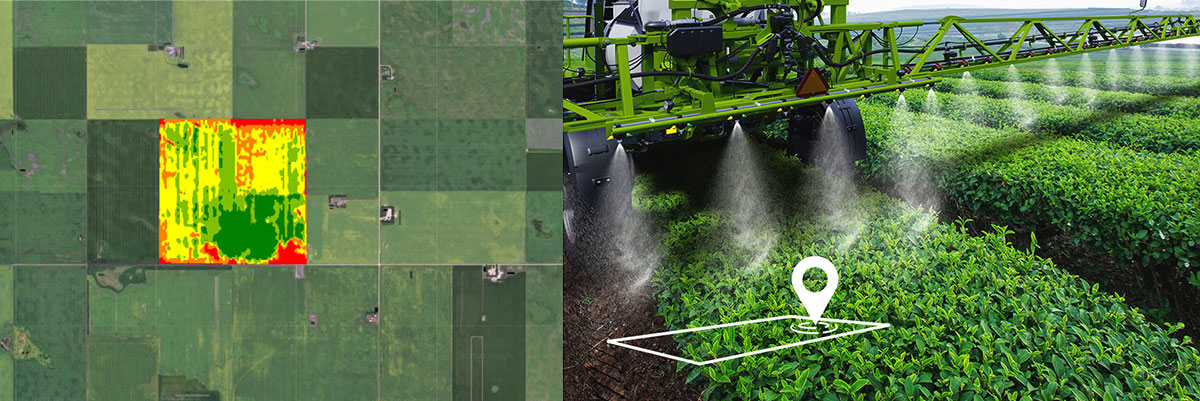
VRT ensures each square meter of land gets exactly the amount of fertilizer, seed, or crop protection it needs. Using detailed field maps and real-time sensor data, VRT sprayers or spreaders automatically adjust their output as they move. Companies like Trimble and Raven are leading this field. Farms using VRT in the U.S. Midwest report up to 20% savings on input costs and less nutrient runoff.
Real Example:
Brazilian soybean growers have seen a 12% yield increase after using VRT for both seed planting and nutrient application, especially on soils with mixed fertility.
7. In-Field IoT Sensors
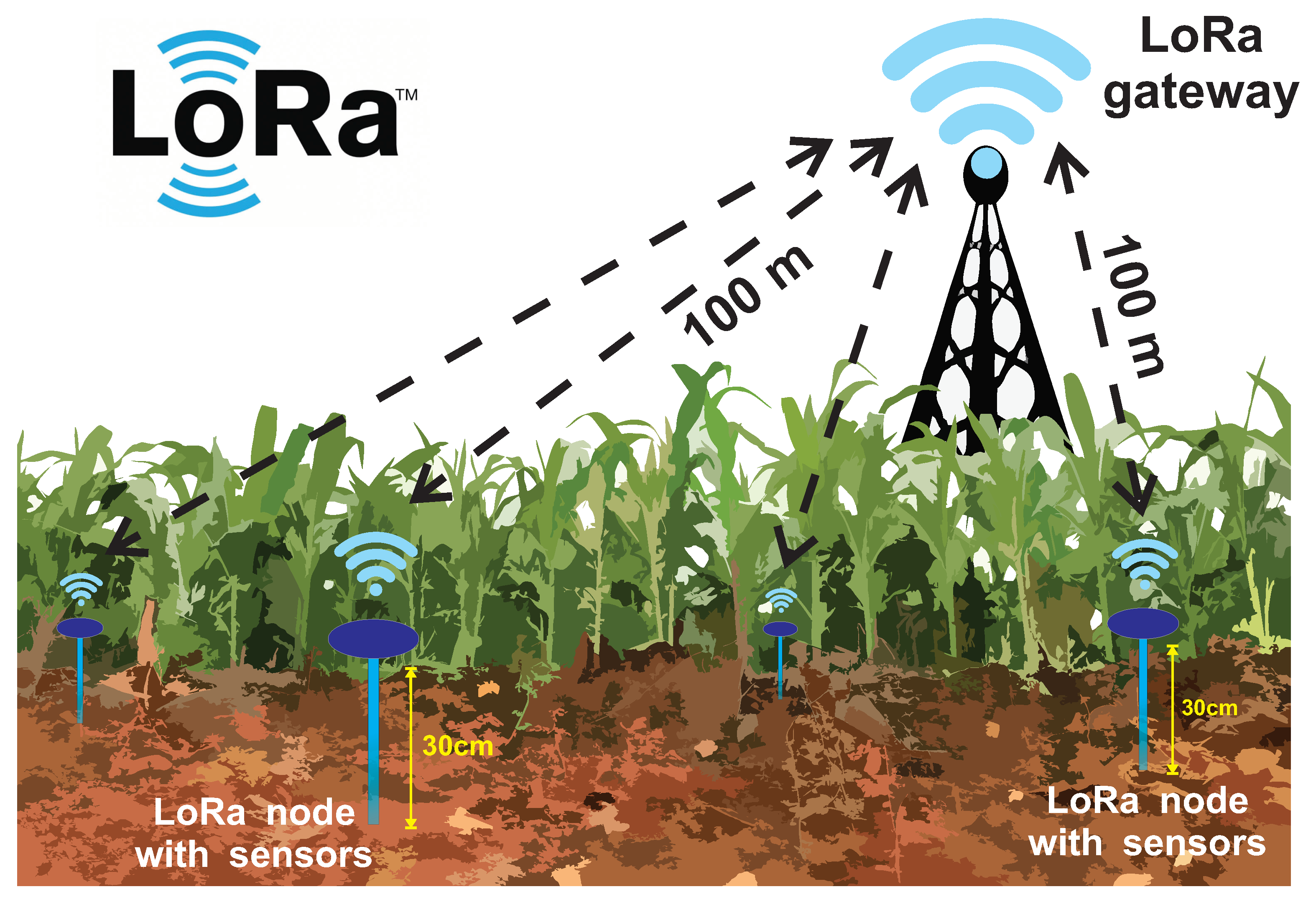
IoT sensors monitor soil moisture, pH, nutrient levels, temperature, and even pest movement. Startups like SoilSense (India) and CropX (Israel) deliver sensors that transmit field data to mobile apps or dashboards, triggering alerts and automating irrigation or fertilizer dosing.
Case in Point:
A sugarcane cooperative in Maharashtra installed IoT sensors across 100 acres and improved water efficiency by 25%, leading to higher yields and lower input costs.
8. Smart Irrigation Systems
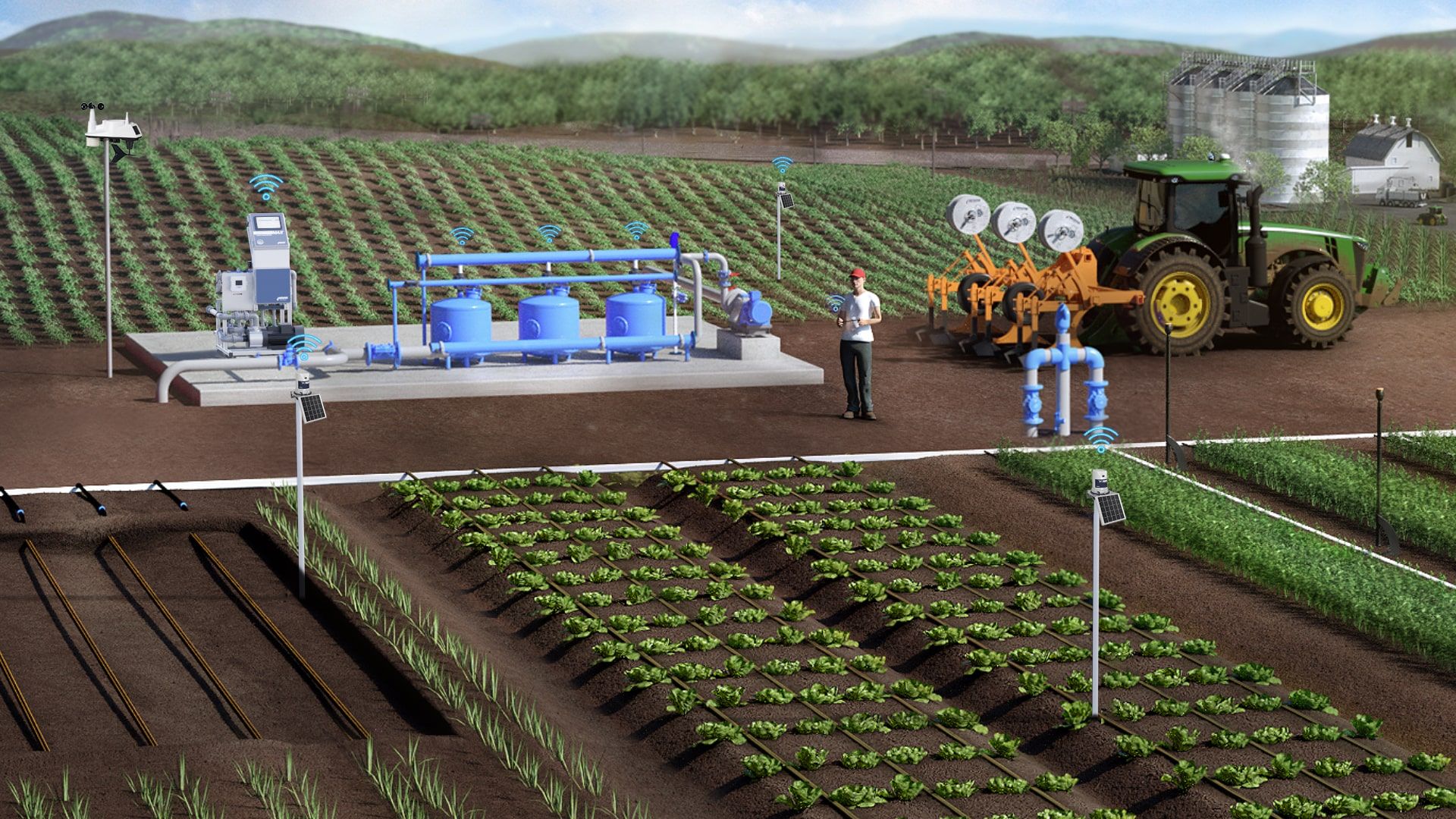
Conserving every drop, smart irrigation combines sensor, drone, and weather data to manage water use with surgical precision. Companies like Netafim (Israel) and Jain Irrigation (India) produce systems that deliver water only when and where plants need it, reducing both waste and disease risk.
Real-World Impact:
A Rajasthan vegetable grower using drip irrigation controlled by smart sensors cut water use by 40% without losing yield—vital in drought-prone regions.
9. 3D Printing for Spare Parts
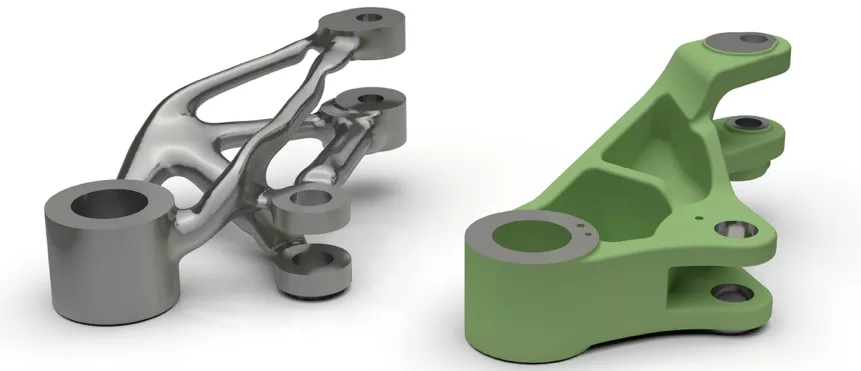
Farms no longer need to wait days for replacement parts. With 3D printers and CAD files, they can manufacture custom or discontinued parts on-site. Companies like Spare Parts 3D have partnered with agricultural machinery manufacturers to provide farmers with print-ready files.
Example:
During peak harvest, a potato farm in Canada used an in-house 3D printer to replace a broken gear in their harvester, resuming operation within hours and avoiding costly delays.
10. Blockchain for Supply Chain Transparency
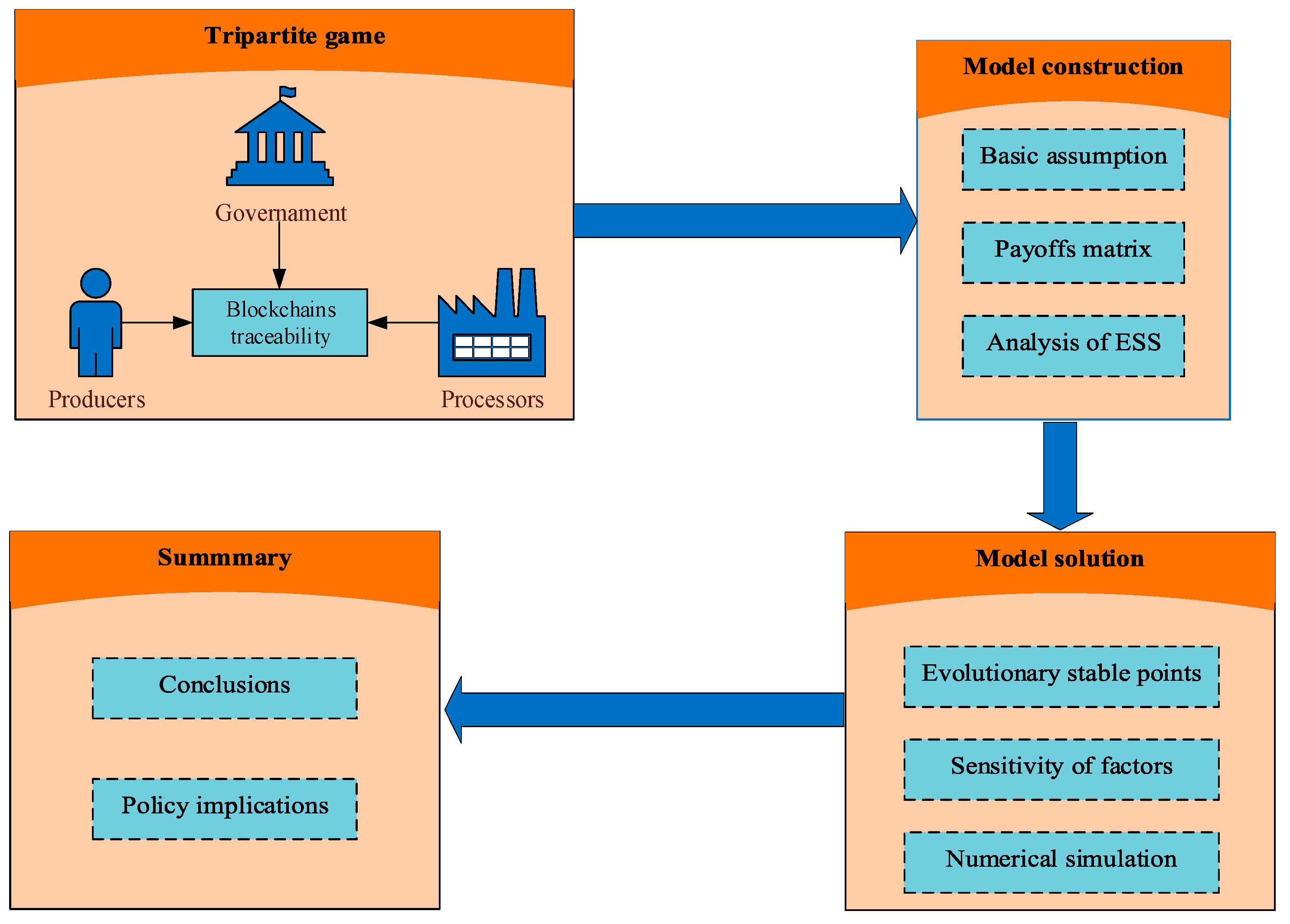
Blockchain creates a permanent, transparent digital record for every step of an agricultural product’s journey—from seed to supermarket. This builds trust for buyers and allows producers to demonstrate organic or fair-trade credentials. IBM Food Trust and AgriDigital are pioneers. Indian exporters are adopting blockchain to prove pesticide-free or organic status to EU buyers.
Case Study:
A coffee cooperative in Colombia uses blockchain to guarantee traceability, increasing sale prices by 18% and building global brand recognition.
The Future is Now
These 10 innovations are more than industry buzzwords—they’re transforming agriculture daily, boosting productivity and resilience even in the face of climate extremes. Autonomous tractors free up labor, smart sensors and irrigation slash waste, and digital tools from AI to blockchain bring confidence, precision, and transparency.
By exploring these advancements and partnering with forward-thinking suppliers, farmers and agri-businesses can shape a more profitable, sustainable, and competitive future.
Ready to discover the latest in smart farming technology? Visit Agrodrag to find the tools and support you need to thrive in 2025 and beyond.
Ravinder Singh – Founder of Agrodrag.